
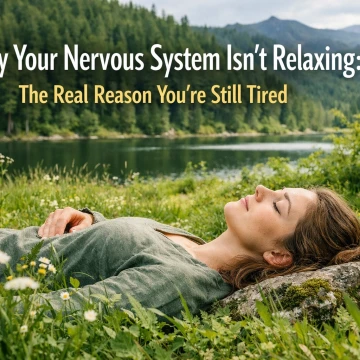
Why Your Nervous System Isn't Relaxing: The Real Reason You're Still Tired
I remember a time when my body felt like a leaden weight, yet my mind was a swarm of bees. I would lie down on my yoga mat, staring at the ceiling, waiting for the promised peace to arrive. I did everything the books told me to do. I dimmed the lights, I played the soft music, I tried to follow my breath. But beneath the surface, my skin felt tight and my heart was hammering a rhythm of urgency that I couldn't quiet. I was exhausted, truly depleted, and yet I could not find the door to actual rest.
Is this chronic fatigue. Is this how my life is going to look, going forward. These were the questions that haunted my quietest moments. Perhaps you have felt this too. You do the self-care. You take the baths and you go for the walks. You check the boxes of wellness, but the deep, cellular restoration you crave remains just out of reach. You are horizontal, but you are not resting.
The truth is that our nervous systems do not care about our to-do lists, even when those lists are filled with relaxation techniques. When we are stuck in a cycle of "doing" our wellness, we are often just adding more pressure to a system that is already screaming for a different kind of safety.
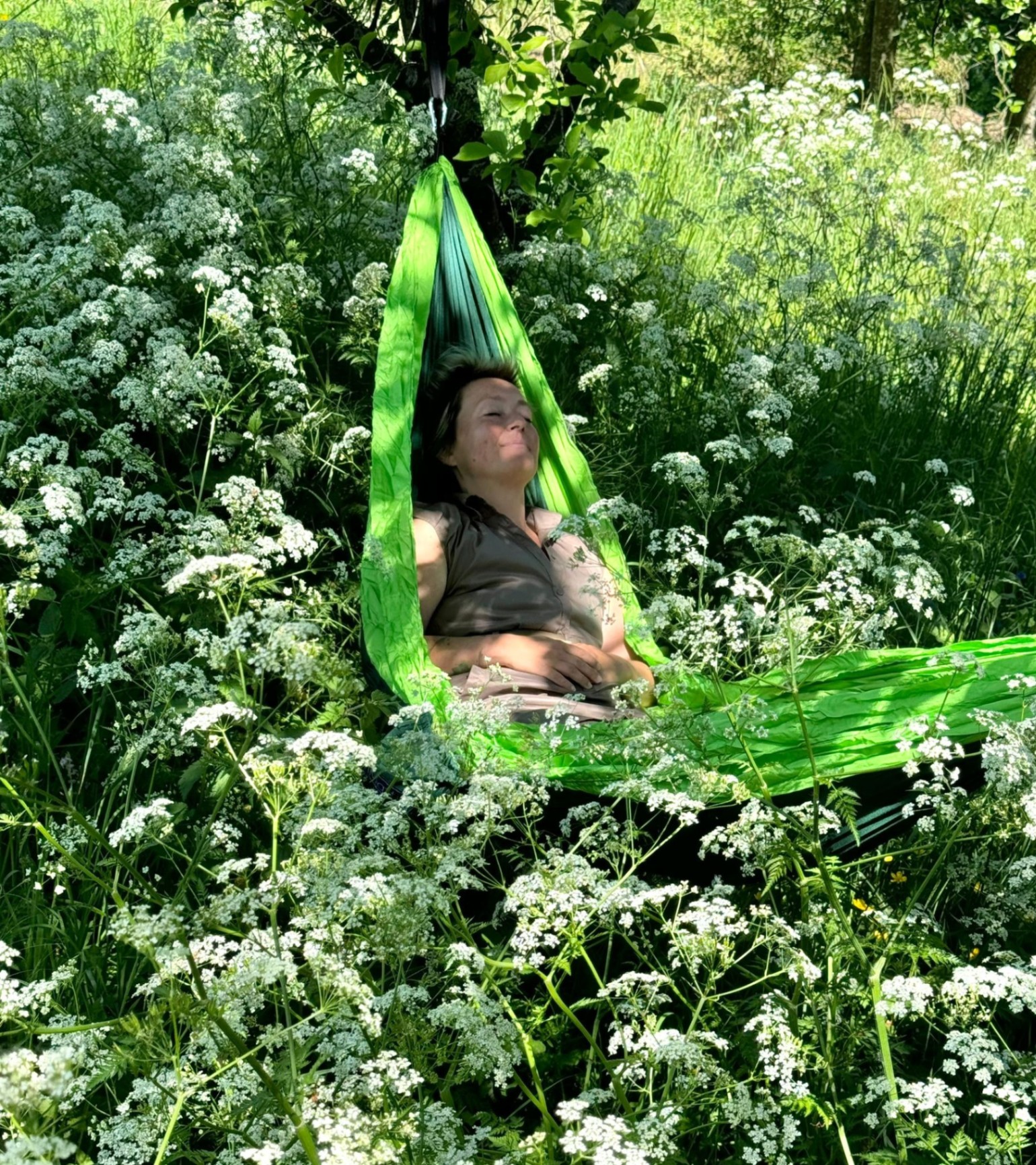
The silent hum of sympathetic dominance
We live in a world that asks us to be hyper-vigilant. Every notification, every deadline, and every unspoken expectation keeps our sympathetic nervous system in the driver's seat. This is our fight or flight response. It is a brilliant, ancient mechanism designed to keep us alive, but it was never meant to be our permanent home.
When we stay in this state for too long, our bodies become flooded with cortisol and epinephrine. These chemicals are like high-octane fuel, and even when we park the car, the engine is still hot. This persistent sympathetic dominance is why you can be physically still and yet feel internally revved up. Your body still thinks there is a threat to manage, so it refuses to let down its guard.
This state of being "tired but wired" is a sign that the bridge to your parasympathetic nervous system, the rest and digest branch, has become weathered and difficult to cross. This is often tied to what we call vagal tone. The vagus nerve is the longest nerve in your body, acting as a direct line of communication between your brain and your vital organs. When your vagal tone is high, you can transition easily from stress back into calm. When it is low, you stay stuck in the high alert phase, unable to trigger the relaxation response even in a safe environment.
When rest feels like a freeze
There is another layer to this exhaustion that we rarely talk about in wellness spaces. Sometimes, when the stress becomes too heavy or lasts too long, our nervous system attempts to protect us by pulling the emergency brake. This is known as dorsal vagal shutdown.
In this state, you don't feel "wired" anymore. Instead, you feel numb, heavy, and disconnected. You might spend hours on the couch, but it doesn't feel like a choice. It feels like an immobilization. This is not the restorative rest of a healthy parasympathetic system. It is a "freeze" response.
You might notice that in this state, your dreams are vivid but exhausting, or your sleep leaves you feeling more depleted than when you went to bed. Your system has chosen to shut down the lights to save power, but it hasn't actually found safety. To find true relaxation, we have to move through these layers with gentleness, rather than force. We have to convince the body, not just the mind, that the environment is fertile ground for letting go.
Why traditional relaxation often fails
Many of us approach relaxation as another task to master. We try to "meditate harder" or "fix" our breathing. This effort, this subtle striving, is still rooted in the sympathetic nervous system. It is still a form of "doing."
When we bring this energy to our rest, our body senses the hidden pressure. It feels like a demand rather than an invitation. If you have ever felt frustrated because you couldn't quiet your mind during a guided meditation, you have experienced this conflict. The frustration itself is a sign of a dysregulated system trying to perform its way into peace.
This is where the wisdom of nervous system regulation through nature becomes so vital. Nature does not demand anything from us. A tree does not ask you to be more mindful. The wind does not care if your thoughts are racing. When we sit with the natural world, we are entering a field of co-regulation. The steady, ancient rhythms of the earth provide a template for our own nervous systems to follow.
The EcoNIDRA path to receptive rest
In our practice of EcoNIDRA, we move away from the idea of "working at wellness." Instead, we embrace the concept of receptive rest. We use the structure of yoga nidra, which is often called the sleep of the yogis, but we weave it together with the profound grounding of forest therapy.
This practice is designed to talk directly to your nervous system in a language it understands, which is the language of the senses and the elements. We do not ask the mind to stop thinking. Instead, we give the senses a soft place to land.
The journey begins with an invitation to the senses. We notice the sounds that are far away and the sounds that are close. We feel the texture of the air on our skin. We sense the weight of our bodies being held by the floor or the earth beneath us. This is the first step in signaling to the brain that the immediate environment is safe. You are welcome to explore more about what to expect from an EcoNIDRA session to understand how these layers unfold.
From there, we take a pilgrimage through the body. This is a systematic rotation of consciousness that helps to release the micro-tensions we carry in our jaw, our shoulders, and our bellies. We aren't trying to change anything. We are simply bringing a vibrant presence to each part, helping to release tension and stress without effort.
Partnering with the earth
The final piece of the puzzle, and perhaps the most important for those of us who feel chronically tired, is the journey through the earth. Nature is not just a backdrop for our practice. It is a co-guide.
When we connect with a specific nature being, perhaps a tree we can see through a window or a plant in our room, we begin to cultivate kinship. This relationship pulls us out of the isolation of our own minds and into a larger, living web. It is much easier for the nervous system to relax when it feels it is part of something bigger and more stable than its own individual struggles.
We often include the sounds of nature in our sessions, because the brain perceives these sounds differently than human-made noise. The rustle of leaves or the song of a bird acts as a natural "green light" for the parasympathetic system. It says, everything is as it should be. You are safe to rest now. You can learn more about this in our post on yoga nidra for sleep, where we dive into the science of how this deep rest actually repairs the body.
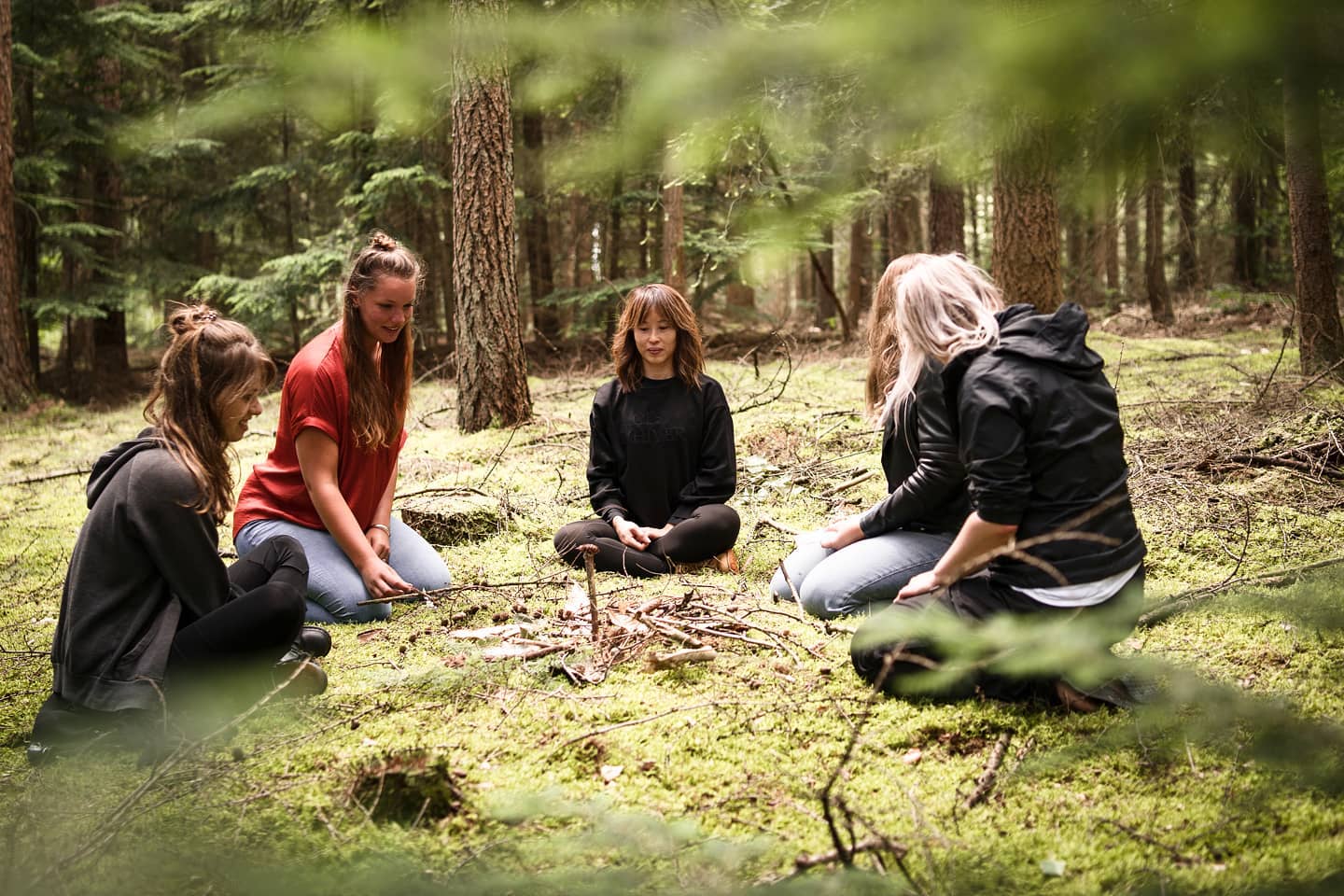
Creating space for your own restoration
If you are feeling the weight of the world, please know that your inability to relax is not a personal failure. It is a physiological response to a demanding world. You do not need to fix yourself. You simply need to offer yourself a different kind of environment.
You might like to start small. Instead of a long retreat that feels like another big "to-do," try a short, 30-minute practice that focuses on simple sensory connection. You are welcome to explore the ultimate EcoNIDRA self-care package if you feel called to begin this journey at your own pace.
True rest is not something we do. It is something we allow to happen when the conditions are right. It is a surrender into the present moment, supported by the earth and the breath. When we stop struggling against our fatigue and instead begin to listen to what our nervous system is actually asking for, we find that the door to restoration was never really locked. It was just waiting for us to stop pulling and start leaning.
For those who feel a deeper calling to share this medicine with others, our EcoNIDRA Teacher Training offers a path to becoming a guide in this gentle art of restoration. It is a journey of learning how to hold space for others to find their way back to their own inner nature.
The trees have been here for centuries. They know how to stand still and how to weather the storm. They are not in a hurry, and they do not ask you to be either. They will wait for you to find your way back to the quiet. Whenever you are ready, the earth is here to catch you.
Written by
Kat Mertens